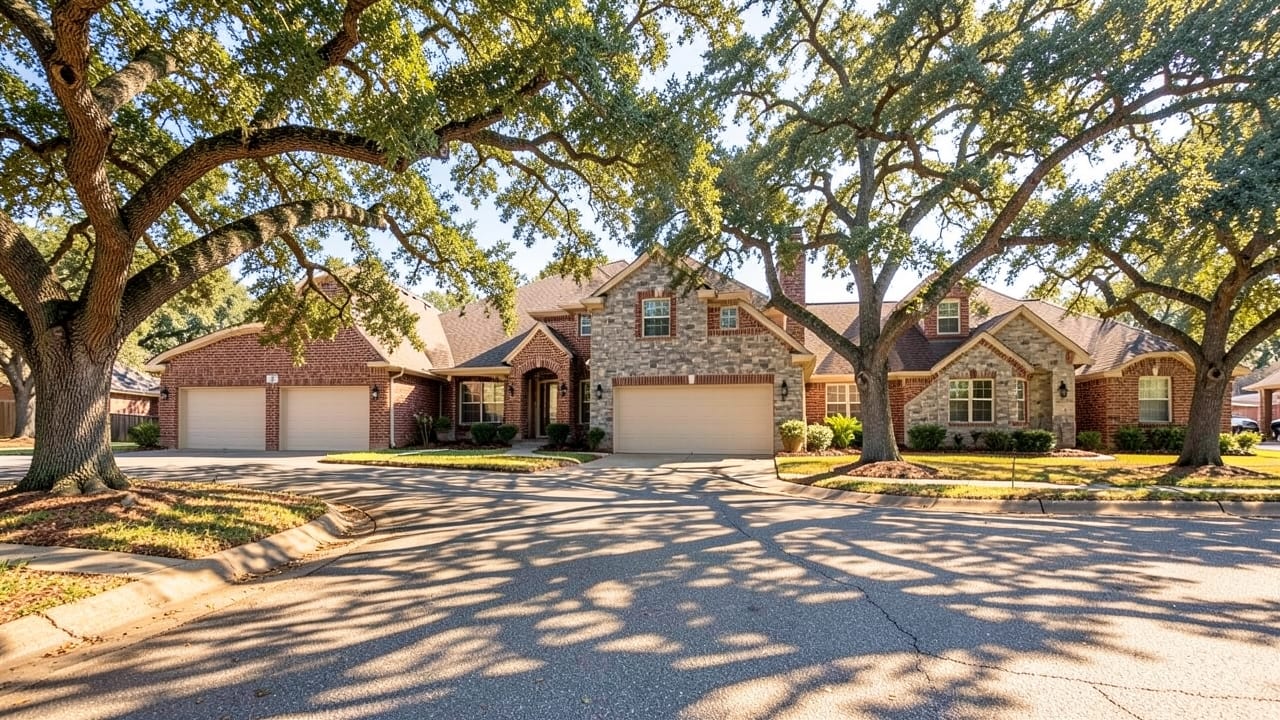
Pool Deck Cleaning in Webster, TX
Pool Deck Cleaning for Webster, TX properties — Webster is a nearby community roughly 12.5 miles east of Pearland..
Pool Deck Cleaning in Webster, TX follows the same standards it does anywhere else — the difference is what the local conditions do to it. Keep your pool deck in Webster looking its best with professional pressure washing that removes dirt, algae, and grime quickly and safely. Our experienced crew, who also serves nearby Pearland without extra trip charges, uses high-powered equipment to restore your deck’s original appearance. Whether it’s a small residential space or a larger commercial area, we ensure a thorough clean that enhances both safety and curb appeal. Webster’s proximity to Pearland means we can efficiently cover both communities in a single visit.
Why pool deck cleaning matters in Webster
In Webster, TX, where suburban homes are closely packed, a clean pool deck is essential to maintain both aesthetics and safety. With neighbors in close proximity, a well-maintained pool deck enhances your property's curb appeal, contributing to the overall attractiveness of the dense suburban landscape. Regular cleaning also prevents the buildup of slippery algae and debris, ensuring a safe environment for your family and guests to enjoy, especially during the warm Texas months.
This service is also available via Pool Deck Cleaning and Webster, TX.
What pool deck cleaning actually involves, step by step
Wood species and condition check. The type of wood and its current condition — soft and weathered versus recently sealed — are checked first, since old, soft, or rotting wood fibers pressure-wash very differently than a newer deck board and can be gouged by a setting the newer wood handles fine.
Low-pressure detergent wash. A wood-safe cleaning solution is applied at low pressure to lift mildew, algae, and gray weathering from the surface, working with the grain rather than across it, since spraying against the grain is what drives water and pressure into the wood fibers instead of across the surface.
Hand or brush detail. Railings, stair treads, and tight corners the wand can't safely reach at an angle are finished by hand or with a stiff brush, since forcing a wide fan tip into a narrow gap between boards is a common way to gouge a groove into the wood.
Controlled rinse. The rinse pass stays low pressure and follows the grain the same way the wash pass did, removing loosened detergent and debris without driving water down into the joints between boards where it is slow to dry out afterward.
Dry-out period before sealing. The wood is left to dry fully — typically a couple of days depending on weather — before any stain or sealant is applied, since sealing over wood that is still holding moisture traps that moisture under the new coating instead of letting it evaporate out.
What goes wrong when pool deck cleaning is done badly
Gouging and fuzzing the wood grain. Pressure set too high for the wood, or a tip held too close, tears open the softer grain of the board and leaves a fuzzy, splintery texture behind instead of a clean one — a texture problem that shows up worse once the wood dries and can't be pressure-washed back out.
Driving water into the joints. Spraying directly into the gap between deck boards or fence pickets forces water down into the joint and the framing underneath, where it dries far more slowly than the exposed surface and can start rot in a spot that is never visible from above.
Sealing over wet wood. Applying stain or sealant before the wood has fully dried traps residual moisture underneath the new coating, which is a common cause of a sealant job that bubbles, peels, or discolors within the first season instead of lasting as expected.
What pool deck cleaning costs around Webster
58 per square foot. That is the going estimate for a patio or deck surface with a moderate soil level. These figures come from public market research on this type of job, not a quote or an offer tied to any one provider — the final price for a specific job always depends on its scope and which company takes it on.
This range is a starting point, not a substitute for an actual quote — comparing a couple of local providers is the most direct way to see where a specific job actually lands. Source: Angi / Homewyse, 2026.
How to choose who does the work in Webster
Does the quote specify the PSI and method — pressure wash vs. soft wash — for each surface? The wrong PSI on siding, roofing, or wood can cause damage, so the method should be disclosed per surface, not left as one generic number. Is a written scope listing every surface included — driveway, siding, deck, roof, fencing — provided? Bundled pricing sometimes covers only one or two surfaces despite sounding comprehensive. Are the cleaning chemicals used, and their effect on nearby landscaping and pets, disclosed before the job? Soft-wash detergents vary in strength, and runoff can affect plants or pets nearby. Does the estimate distinguish concrete or driveway work from roof or siding work? Roof and siding washing typically require lower pressure and different technique than concrete, and pricing that lumps them together can hide risk. What is the policy if pressure washing reveals pre-existing damage, like cracked paint or loose mortar? Pre-existing conditions can surface once dirt is removed, so it helps to know how that gets handled before agreeing to the job. Is post-treatment sealing for driveways or decks included in the price or billed separately? Sealing is often an add-on, not part of a basic wash.
No mention of PSI or method — pressure vs. soft wash — for each surface. The wrong pressure on siding, roofing, or wood can cause real damage, and a quote that has not specified method per surface has not actually assessed the job. A price far below every comparable bid for the same square footage. An unusually low price can mean lower-grade equipment, no pre-treatment chemical, or rushed coverage that leaves streaking. No mention of what chemicals are used or their effect on landscaping. Undisclosed chemical strength is how plants and grass near the work area end up damaged. Full payment demanded before the job starts. Paying in full upfront removes leverage if streaking, missed spots, or damage shows up afterward. Pressure to add extra services on the spot without a separate written price. Add-ons proposed in the moment are harder to compare against other bids.
Chlorine-Safe Cleaning Approach
Cleaning solutions used around a pool deck are chosen to be safe near the pool's own water chemistry, avoiding anything that could throw off chlorine balance if runoff reaches the water.
Call for a quote on pool deck cleaning for a Webster property — pricing works the same as everywhere else in the service area.
See Pool Deck Cleaning in Friendswood, TX for more — or check out the rest of our Pearland lineup before booking for our complete service area.
Serving Webster, TX
Ready to get started?
Talk to a local pressure washing pro serving Webster, TX — get a written quote.
Other Services We Offer in Webster, TX
Rental Property Washing in Webster, TX
Rental Property Washing for Webster, TX properties — Webster is a nearby community roughly 12.5 miles east of Pearland..
Learn More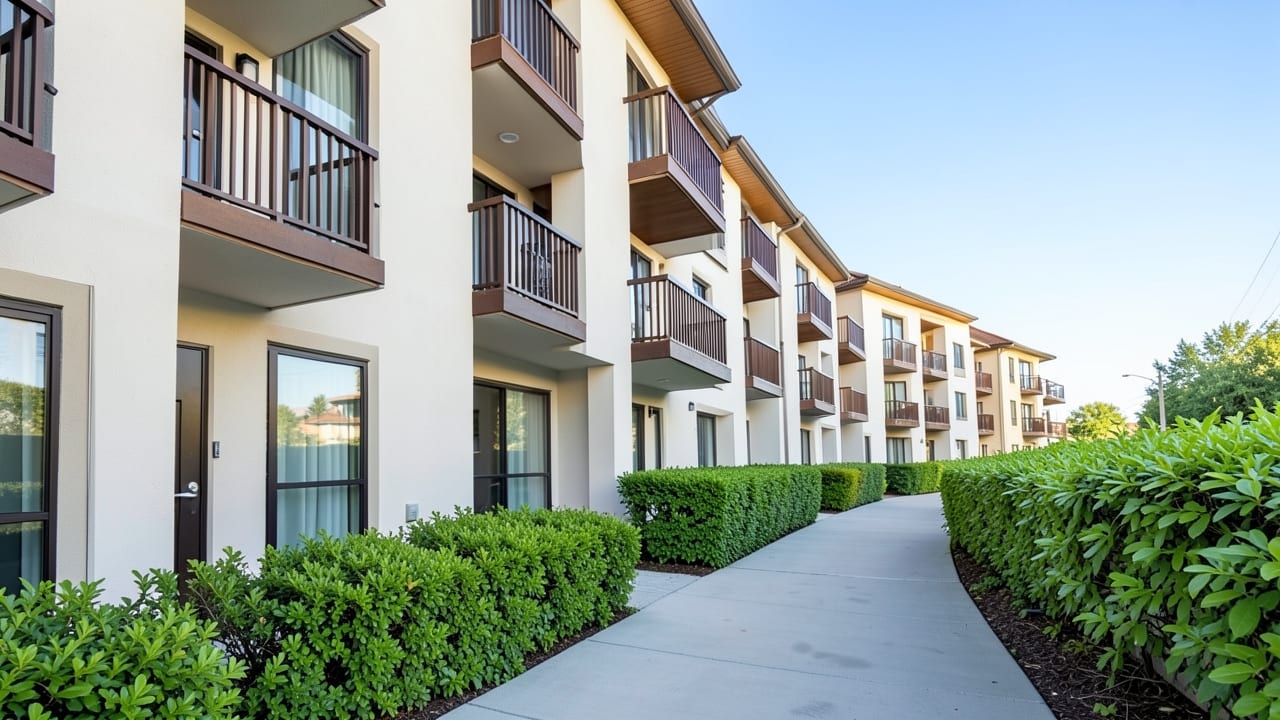
Condo Association Washing in Webster, TX
Condo Association Washing for Webster, TX properties — Webster is a nearby community roughly 12.5 miles east of Pearland..
Learn MoreHOA Common Area Washing in Webster, TX
HOA Common Area Washing for Webster, TX properties — Webster is a nearby community roughly 12.5 miles east of Pearland..
Learn MoreRestaurant Exterior Washing in Webster, TX
Restaurant Exterior Washing for Webster, TX properties — Webster is a nearby community roughly 12.5 miles east of Pearland..
Learn More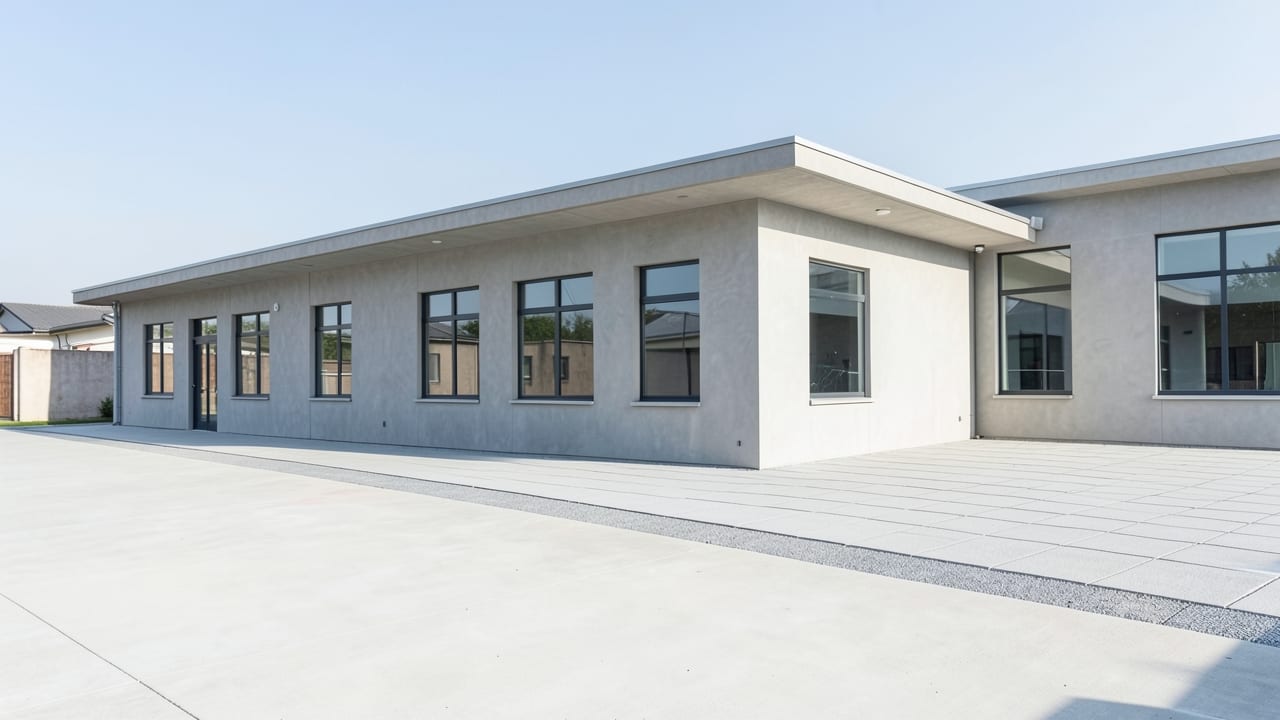
School Building Washing in Webster, TX
School Building Washing for Webster, TX properties — Webster is a nearby community roughly 12.5 miles east of Pearland..
Learn More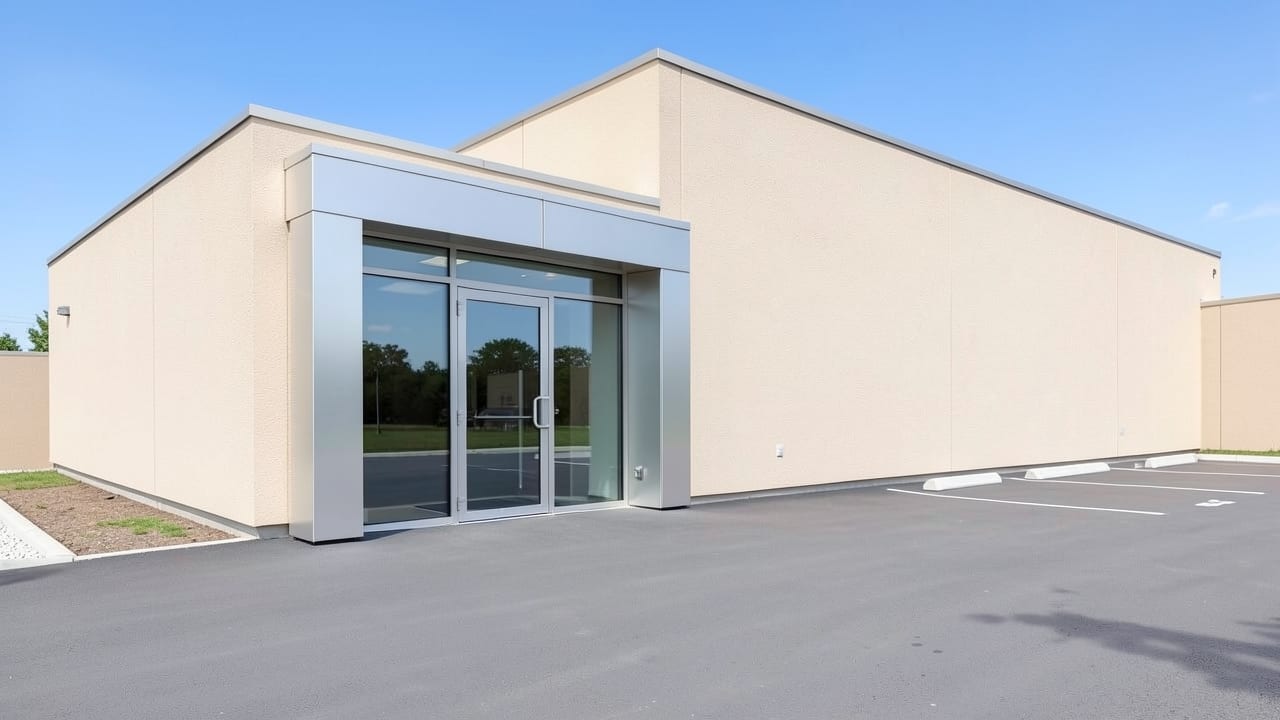
Medical Clinic Exterior Washing in Webster, TX
Medical Clinic Exterior Washing for Webster, TX properties — Webster is a nearby community roughly 12.5 miles east of Pearland..
Learn MoreThe same service is also covered in Friendswood, TX , on the same terms.
Common Questions About Pressure Washing in Webster, TX
Everything you need to know about pressure washing services in Webster, TX
How much does Pool Deck Cleaning typically cost in Webster, TX?
Why does algae and mildew growth on homes in Webster, TX come back so quickly?
Can pressure washing damage concrete, pavers, or mortar joints?
What are the actual named steps in a professional pressure washing job?
Can the wrong PSI actually damage a house or driveway?
Need Pressure Washing in Webster, TX?
Get a written quote from our Webster, TX crew.
⏰ We answer your call • Serving all of Webster, TX and surrounding areas