Pressure Washing Your Pool Deck for Safety and Longevity in Pearland
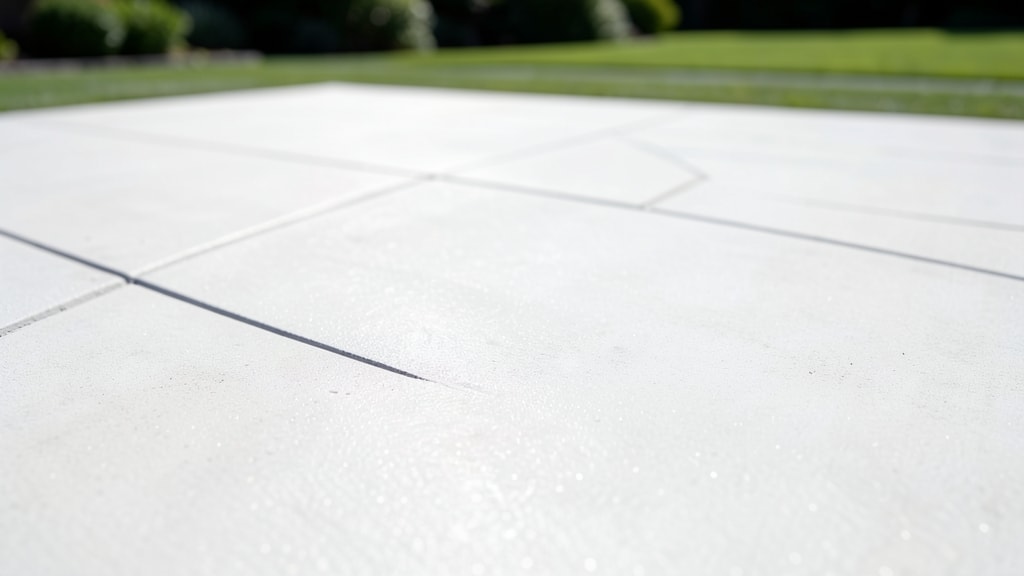
A pool deck takes a beating from chlorine, sun, and foot traffic—especially in our humid Texas climate. Pressure washing removes built-up grime and restores traction, but doing it wrong can etch concrete or strip pavers. We’ll show you how to clean safely and prep for sealing.
Why Pool Decks Need Regular Pressure Washing
Chlorine, sunscreen, and organic debris create a slippery, discolored film on pool decks. This isn’t just unsightly—it’s a safety hazard for bare feet and kids running around.
In Pearland’s heat, algae and mildew grow fast on porous surfaces like concrete and travertine. Regular cleaning prevents permanent staining and structural wear.
Pressure washing also preps the surface for sealants, which protect against UV rays and freeze-thaw cycles—yes, even in our mild winters.
Choosing the Right Pressure Washer Settings
PSI and GPM matter more than brand. For most pool decks, 2,000–3,000 PSI with a 25°–40° nozzle is safe. Anything higher risks pitting concrete or dislodging paver sand.
Lower PSI (1,200–1,900) works for softer materials like wood or stained concrete. Always test a small area first to gauge impact.
| Material | PSI Range | Nozzle Tip | Notes |
|---|---|---|---|
| Concrete (stamped or broom-finished) | 2,000–3,000 | 25°–40° | Use a surface cleaner for even results |
| Pavers (concrete or stone) | 1,800–2,500 | 25°–30° | Avoid direct spray on joint sand |
| Travertine or Natural Stone | 1,200–1,800 | 40° | Pre-wet surface; use low pressure |
| Wood (cedar, redwood, composite) | 1,200–1,500 | 40° | Keep nozzle 12–18" away |
Pre-Wash Prep: Protecting Your Investment
Clear the deck of furniture, toys, and planters. Cover nearby plants with plastic sheeting—bleach or degreaser runoff can damage landscaping.
Sweep away loose debris to prevent clogging the pressure washer. For heavy algae, pre-treat with a pool-safe cleaner 10–15 minutes before washing.
Check for cracks or loose pavers. Pressure washing won’t fix structural issues, but it’ll reveal them so we can address them before sealing.
Bleach can fade stained or dyed concrete. For colored surfaces, use a pH-neutral cleaner or oxygen-based brightener instead.
The Soft Wash Alternative for Delicate Surfaces
Soft washing uses low pressure (500–1,000 PSI) and specialized detergents to kill algae and mildew without damaging surfaces. It’s ideal for older decks or delicate stone.
This method is also safer for nearby windows and screens—important in neighborhoods like Brookside Village or Friendswood where homes are close together.
Soft washing takes longer to dry but leaves a deeper clean. We often recommend it for travertine or decks with intricate patterns.
If your deck has deep stains, efflorescence (white mineral deposits), or requires soft washing, professional equipment and expertise ensure a uniform finish.
Post-Wash Care: Sealing and Maintenance
Let the deck dry completely—usually 24–48 hours in Pearland’s humidity—before applying sealant. A penetrative sealer protects against water absorption and UV fading.
For textured or broom-finished concrete, a non-slip additive in the sealer adds traction. This is critical for pool areas where slips are common.
Reapply sealant every 1–3 years, depending on foot traffic and sun exposure. Decks in Alvin or Missouri City with less shade may need more frequent touch-ups.
Common Mistakes That Damage Pool Decks
Using a 0° or 15° nozzle can etch concrete or strip paver sand. Stick to wider angles for pool decks.
Holding the nozzle too close—especially on wood—can carve grooves. Maintain a consistent 12–18” distance.
Skipping the pre-wash inspection. Cracks or loose joints worsen under pressure, leading to costly repairs in areas like Manvel where soil shifts are common.
When to Schedule Your Pool Deck Washing
Early spring or late fall is ideal. Avoid the peak of summer heat, which can cause sealants to cure too quickly, or winter, when freeze-thaw cycles can crack freshly cleaned surfaces.
In Pearland, aim for a stretch of dry, mild weather. Rain within 24 hours of washing can dilute cleaners and leave streaks.
If you’re prepping for a party or holiday weekend, schedule the wash at least 3–4 days ahead to allow for drying and sealing.
Pool Deck Washing Timeline
- Clear and prep the deck (Day 1)
- Pressure wash (Day 1)
- Inspect for damage (Day 1–2)
- Apply sealant (Day 3–4)
How to Pressure Wash Your Pool Deck Safely
Follow these steps to clean your pool deck without causing damage.
- 1Gather Supplies
You’ll need a pressure washer (2,000–3,000 PSI), 25°–40° nozzle, surface cleaner attachment (for large areas), pool-safe detergent, and plastic sheeting for plants.
- 2Pre-Treat Stains
Apply detergent or degreaser to heavy stains, algae, or mildew. Let it dwell for 10–15 minutes, but don’t let it dry.
- 3Start Washing
Begin at the farthest corner from the pool, working in sections. Hold the nozzle 12–18” from the surface and use smooth, overlapping strokes.
- 4Use a Surface Cleaner
For large concrete areas, a surface cleaner attachment speeds up the job and prevents streaks. Move it in straight lines, not circles.
- 5Rinse Thoroughly
Switch to a 40° nozzle and rinse all detergent residue. Leftover cleaner can attract dirt or damage sealants later.
- 6Inspect and Dry
Check for missed spots or damage. Allow the deck to dry completely—24–48 hours—before walking on it or applying sealant.
Frequently Asked Questions
Can I pressure wash my pool deck myself, or should I hire a pro?
DIY is fine for routine cleaning on standard concrete, but delicate surfaces like travertine or stained decks benefit from professional soft washing. If you’re unsure about PSI settings or detergent types, request a quote to avoid costly mistakes.
How often should I pressure wash my pool deck in Pearland?
Most pool decks need a deep clean every 1–2 years, but high-traffic areas or decks under heavy tree cover may require annual washing. A light rinse every few months helps prevent buildup.
Will pressure washing remove the non-slip texture from my pool deck?
Not if done correctly. Use a wide-angle nozzle (25°–40°) and keep the pressure under 3,000 PSI. Avoid concentrated streams on textured surfaces, as these can erode the finish.
What’s a good way to clean between pavers?
Use a pressure washer with a 25° nozzle at a lower PSI (1,800–2,200) and hold it at a slight angle to avoid blasting out joint sand. For stubborn debris, a paver sand brush or leaf blower can help.
Can pressure washing help with efflorescence on my concrete pool deck?
Yes, but efflorescence often returns if the source (moisture) isn’t addressed. Pressure washing removes the surface deposits, but sealing the deck afterward can slow its return.
Do you offer pool deck cleaning in Friendswood or Alvin?
Yes, we serve Pearland and surrounding areas, including Friendswood, Alvin, Manvel, and Missouri City. Our team is familiar with the local climate and common deck materials in these neighborhoods.