Brick Cleaning Done Right: Expert Pressure Washing Tips for Pearland Properties
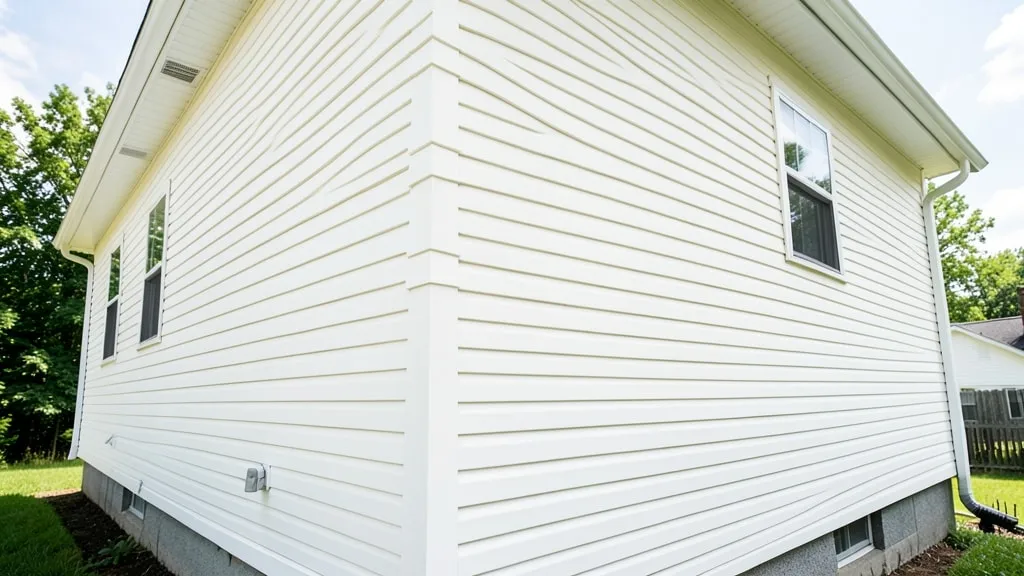
Brick adds timeless charm to Pearland homes, but it also traps dirt, pollen, and Texas humidity stains. Our team knows brick isn’t just tough—it’s porous, and the wrong pressure or technique can etch surfaces or blast out mortar. Done right, pressure washing restores its color and extends its life without harm.
Why Brick Needs Special Pressure Washing Care
Brick’s rough texture holds onto grime, but its mortar joints are the real vulnerability. High PSI can carve out the soft mortar between bricks, leading to costly repairs.
Pearland’s heat and humidity accelerate mold, mildew, and efflorescence—a white, chalky salt deposit that forms on unsealed brick. These aren’t just eyesores; they degrade the material over time.
Unlike concrete or vinyl siding, brick requires lower pressure (typically 1,200–1,500 PSI) and a wider nozzle (25–40 degrees) to clean without causing damage.
A 0-degree (red) nozzle concentrates pressure into a pinpoint stream that can pit brick and destroy mortar. Stick to 25–40 degrees for brick surfaces.
Soft Wash vs. Pressure Wash: Which Is Best for Brick?
Soft washing uses low pressure (500–1,000 PSI) and specialized detergents to kill organic growth at the root. It’s ideal for older or delicate brick, like historic homes in Friendswood or Brookside Village.
Traditional pressure washing removes stubborn dirt and stains but risks damage if not calibrated for brick. We often combine both: soft wash for biological growth, followed by a gentle pressure rinse.
For heavily soiled brick—common near high-traffic areas like driveways or patios—pressure washing may be necessary, but it must be done with caution.
| Method | Pressure Range | Best For | Risk Level |
|---|---|---|---|
| Soft Wash | 500–1,000 PSI | Mold, mildew, algae, efflorescence | Low |
| Pressure Wash | 1,200–1,500 PSI | Dirt, grime, heavy stains | Moderate (if improperly done) |
The Role of Detergents in Brick Cleaning
Water alone won’t cut through Pearland’s sticky pollen or oil stains from nearby roads. A pH-balanced detergent breaks down contaminants without harming brick or mortar.
For organic stains (mold, algae), we use sodium hypochlorite-based cleaners. For oil or grease—common on driveways or garage areas—degreasers are essential.
Always pre-wet the brick and let the detergent dwell for 5–10 minutes. This loosens grime so the pressure washer can rinse it away without excessive force.
Seasonal Considerations for Brick Pressure Washing
Pearland’s mild winters and scorching summers affect how and when we clean brick. Spring and fall are ideal: temperatures are moderate, and humidity is lower, so surfaces dry faster.
Avoid pressure washing brick in direct, intense sunlight. The heat can cause detergents to dry too quickly, leaving streaks or residue.
After heavy storms or flooding (common in Alvin or Manvel), brick can absorb excess moisture. Wait until surfaces are fully dry before cleaning to prevent further water intrusion.
Sealing brick after cleaning protects it from future stains and moisture. In Pearland’s climate, a breathable silane or siloxane sealant works best—it repels water but allows trapped moisture to escape.
Common Brick Cleaning Mistakes to Avoid
Using too much pressure is the top mistake. Brick may look sturdy, but it can't handle 2,500+ PSI. Even 2,000 PSI can erode mortar over time.
Skipping the pre-wash can drive dirt deeper into the brick. Always rinse the surface first to remove loose debris.
Ignoring the surrounding area: Overspray from detergents or high pressure can damage nearby plants, windows, or siding. Cover or protect adjacent surfaces.
Pre-Cleaning Brick Checklist
- Inspect brick and mortar for cracks or damage
- Remove loose debris with a broom or leaf blower
- Cover nearby plants, windows, and outdoor furniture
- Test detergent on a small, hidden area first
- Check weather—avoid windy or rainy days
When to Call a Pro for Brick Pressure Washing
DIY pressure washers often underestimate the skill required for brick. If your home has intricate brickwork, a steep chimney, or aged mortar, professional equipment and expertise are worth it.
We also handle hard-to-reach areas like second-story exteriors or tight alleyways in Missouri City. Safety and precision matter just as much as results.
For commercial properties with large brick facades, our team uses surface cleaners and multi-nozzle setups to ensure even, efficient cleaning without damage.
Maintaining Brick After Pressure Washing
Regular maintenance keeps brick looking fresh. In Pearland, we recommend a light cleaning every 12–18 months, or sooner if you notice mold or discoloration.
Reapply sealant every 3–5 years, depending on exposure. South-facing walls or areas near sprinklers may need more frequent attention.
Keep gutters clean and downspouts directed away from brick walls. Poor drainage is a leading cause of efflorescence and water stains.
How to Pressure Wash Brick Safely
Follow these steps to clean brick without causing damage.
- 1Prep the Area
Remove furniture, cover plants, and sweep away loose dirt. Close windows and doors to prevent water intrusion.
- 2Pre-Wet the Brick
Use a garden hose or low-pressure setting to saturate the brick. This prevents detergent from absorbing too quickly.
- 3Apply Detergent
Use a pump sprayer to apply a brick-safe detergent. Let it dwell for 5–10 minutes, but don’t allow it to dry.
- 4Pressure Wash with Care
Use a 25–40 degree nozzle at 1,200–1,500 PSI. Hold the wand 12–18 inches from the surface and work in sections.
- 5Rinse Thoroughly
Rinse from top to bottom with clean water. Ensure all detergent residue is removed to prevent streaks.
- 6Inspect and Dry
Check for missed spots or damage. Allow the brick to dry completely (24–48 hours) before applying sealant.
Frequently Asked Questions
Can pressure washing damage my brick?
Yes, if the pressure is too high or the nozzle is too narrow. Brick and mortar are softer than they appear. We always use 1,200–1,500 PSI and a wide-angle nozzle to avoid etching or cracking.
What’s the white powder on my brick, and how do I remove it?
That’s efflorescence, a salt deposit left behind by water evaporation. It’s common in Pearland due to humidity. A soft wash with a mild acid cleaner (like muriatic acid diluted properly) can remove it, but sealing the brick afterward helps prevent recurrence.
Is it safe to pressure wash brick in the summer?
It’s possible, but not ideal. The intense Texas sun can cause detergents to dry too fast, leading to streaks. Early morning or late afternoon is best. If temperatures are above 90°F, consider waiting for cooler weather.
Do I need to seal my brick after pressure washing?
Sealing isn’t mandatory, but it’s highly recommended in Pearland’s climate. A quality sealant repels water, reduces staining, and makes future cleanings easier. Just ensure the brick is fully dry before applying.
Can you pressure wash brick pavers on my driveway?
Absolutely. Brick pavers in driveways or patios often collect oil, dirt, and weeds. We use a surface cleaner attachment to lift joints evenly and avoid damaging the sand between pavers. This also applies to homes in Alvin or Manvel with similar paver installations.
How do I know if my brick needs professional cleaning?
If you see deep stains, widespread mold, or discoloration that won’t budge with a garden hose, it’s time to call in experts. Also, if your brick is old, cracked, or part of a historic home, professional care ensures it’s preserved correctly.